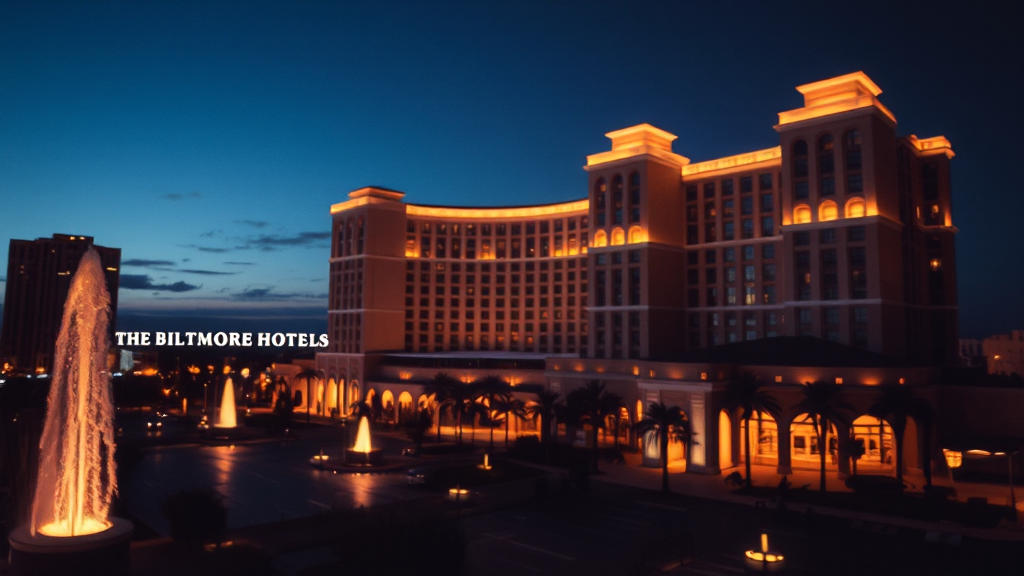
The Unseen Impact of Architecture on Modern Hospitality
When guests step into a hotel, their experience begins long before they reach the front desk. The moment they approach the building, the design, the materials, and the layout start to shape their perception. Architecture in hospitality is not just about aesthetics; it is about creating an emotional response that influences comfort, mood, and overall satisfaction. This article explores how architectural choices deeply affect the guest experience in modern hotels, from the grand lobby to the smallest room details.
The hospitality industry has evolved rapidly over the past decade. With the rise of boutique hotels and experiential travel, every element of a property must now tell a story. Architecture serves as the first chapter of that story. A well-designed hotel can make guests feel welcomed, relaxed, and inspired. Conversely, poor design can lead to discomfort and negative reviews, even if the service is excellent. Understanding this dynamic is crucial for hoteliers who want to stand out in a competitive market.
One key aspect is the use of natural light. Hotels that maximize daylight through large windows or skylights often report higher guest satisfaction. Natural light not only reduces energy costs but also enhances mood and sleep quality. Architects now prioritize orientation and window placement to ensure that rooms feel airy and open. This attention to detail is a hallmark of properties like thebiltmorehotels, where design and guest comfort are seamlessly integrated. The careful balance of light and space creates an environment that feels both luxurious and inviting.
The Psychology of Space and Layout
Space affects human behavior in profound ways. In a hotel, the layout can encourage social interaction or provide solitude. Open floor plans with communal seating areas foster a sense of community, while cozy nooks offer privacy. Architects must consider the flow of people through the building, ensuring that corridors are wide enough to avoid congestion and that public areas feel accessible without being overwhelming. The psychology of space is about more than just square footage; it is about how that space makes people feel.
For example, a lobby with high ceilings and a central fireplace can create a sense of grandeur and warmth. This design choice invites guests to linger, read, or chat. In contrast, a cramped lobby with low ceilings can feel oppressive and hurried. Hotels that invest in thoughtful spatial design often see increased dwell time in common areas, which can lead to higher revenue from bars and restaurants. The layout also impacts noise levels. Proper acoustic design, using materials like carpet, drapes, and acoustic panels, can significantly reduce noise transfer between rooms and from public spaces.
Another important factor is the placement of amenities. A well-designed hotel will have a logical progression from the entrance to the check-in desk, to the elevators, and then to the rooms. This intuitive flow reduces guest frustration and enhances the overall experience. Architects often use sightlines to guide guests naturally, placing artwork or plants at key decision points. These subtle cues help guests navigate without needing excessive signage, creating a more seamless and enjoyable stay.
Sustainable Architecture in Hospitality
Sustainability is no longer a trend but a necessity in the hospitality industry. Modern travelers are increasingly aware of their environmental footprint and seek accommodations that align with their values. Sustainable architecture involves using eco-friendly materials, reducing energy consumption, and minimizing waste. Hotels that incorporate green roofs, solar panels, and rainwater harvesting not only reduce operational costs but also attract environmentally conscious guests.
One of the most significant developments is the use of passive design strategies. These include optimizing building orientation for natural ventilation, using thermal mass to regulate temperature, and installing high-performance insulation. Such features reduce the reliance on HVAC systems, lowering energy bills and carbon emissions. Additionally, many hotels are now using locally sourced materials to reduce transportation emissions and support local economies. This approach also adds a unique regional character to the property, which can be a selling point for travelers seeking authentic experiences.
Water conservation is another critical area. Low-flow fixtures, greywater recycling systems, and drought-resistant landscaping can drastically reduce a hotel’s water usage. Some properties have even implemented living walls or vertical gardens that improve air quality and provide natural insulation. These architectural choices not only benefit the planet but also enhance the guest experience by creating healthier indoor environments. Guests often remark on the freshness of the air and the calming effect of greenery, which can lead to better reviews and repeat visits.
Technology Integration in Modern Hotel Design
Technology has become an integral part of hotel architecture. From smart room controls to automated check-in kiosks, the integration of technology must be seamless and intuitive. Architects now work closely with IT specialists to ensure that wiring, sensors, and devices are hidden from view while remaining easily accessible for maintenance. The goal is to enhance convenience without compromising the aesthetic appeal of the space.
In-room technology includes smart thermostats, lighting controls, and voice-activated assistants. These features allow guests to personalize their environment with minimal effort. For example, a guest can adjust the room temperature, dim the lights, and close the curtains using a single tablet or their smartphone. This level of control can significantly improve comfort and satisfaction. However, the technology must be user-friendly; otherwise, it can become a source of frustration. Hotels that invest in training staff to assist with tech issues often see higher guest ratings.
Public spaces also benefit from technology integration. High-speed Wi-Fi is now expected, but many hotels are going further by offering charging stations, digital concierge services, and interactive maps. Some properties have installed digital art displays that change throughout the day, creating a dynamic atmosphere. The key is to use technology to enhance, not overshadow, the architectural design. When done well, technology can make a hotel feel futuristic and efficient while still retaining a warm and welcoming ambiance.
The Role of Local Culture in Architectural Design
Travelers today crave authentic experiences that connect them to the local culture. Hotels that incorporate regional architectural styles, materials, and art into their design can offer a deeper sense of place. This approach not differentiates the property from international chain hotels but also supports local artisans and craftspeople. From the use of local stone and timber to the inclusion of traditional patterns in textiles, these details tell a story about the destination.
For instance, a hotel in a coastal town might use driftwood and sea glass in its decor, while a mountain lodge might feature exposed beams and stone fireplaces. These choices create a visual narrative that resonates with guests. Moreover, designing with local culture in mind often leads to more sustainable practices, as local materials require less transportation. Guests appreciate the authenticity and are more likely to share their experiences on social media, providing free marketing for the hotel.
Architects must also consider the cultural context of the site. This includes respecting local building traditions, climate, and even spiritual beliefs. In some cultures, certain colors or shapes are considered auspicious or inauspicious. Ignoring these nuances can lead to a disconnect between the hotel and its surroundings. Successful hotels are those that blend modern amenities with local heritage, creating a space that feels both contemporary and rooted in its environment. This balance is what makes a stay truly memorable.
Designing for Accessibility and Inclusivity
Inclusive design is a critical consideration in modern hotel architecture. Accessibility features should be integrated from the outset, not added as an afterthought. This includes wide doorways, ramps, accessible bathrooms, and visual alarms for guests with hearing impairments. However, true inclusivity goes beyond compliance with regulations. It involves designing spaces that are comfortable and dignified for all guests, regardless of age or ability.
For example, lever handles are easier to use than round doorknobs for people with limited hand strength. Lowered countertops and adjustable shower heads can make a significant difference for guests with mobility challenges. Additionally, clear signage with high contrast and braille can assist visually impaired guests. Hotels that prioritize inclusivity often find that these features benefit all guests. Parents with strollers, travelers with heavy luggage, and older adults all appreciate thoughtful design.
Another aspect is sensory inclusivity. Some guests may be sensitive to bright lights, loud noises, or strong smells. Hotels can address this by offering quiet zones, dimmable lighting, and fragrance-free areas. Architects can also use materials that absorb sound and reduce glare. By considering the diverse needs of their guests, hotels can create an environment where everyone feels welcome. This approach not only expands the potential customer base but also fosters a reputation for empathy and excellence.
FAQs
How does hotel architecture affect guest satisfaction?
Hotel architecture directly influences guest satisfaction by shaping the first impression, comfort, and overall ambiance. Good design can make guests feel relaxed and valued, while poor design can lead to discomfort and negative reviews. Factors like natural light, space layout, and noise control are particularly important.
What are the key elements of sustainable hotel architecture?
Key elements include energy-efficient systems, use of recycled or locally sourced materials, water conservation features, and passive design strategies such as natural ventilation and insulation. Green roofs and solar panels are also common. These elements reduce environmental impact and often lower operational costs.
How can hotels integrate technology without compromising design?
Technology can be integrated by hiding wiring and devices within the architecture, using wireless systems, and choosing fixtures that blend with the decor. The focus should be on intuitive controls that enhance convenience without cluttering the space. Collaboration between architects and tech specialists is essential.
Why is local culture important in hotel design?
Incorporating local culture creates a unique and authentic experience that differentiates a hotel from competitors. It supports local economies and artisans, and it helps guests feel connected to the destination. This approach often leads to higher guest satisfaction and positive word-of-mouth.